Pendahuluan: Krisis Kesehatan Mental yang Diabaikan
Pernahkah Anda merasa lelah bukan karena banyak aktivitas fisik, tapi karena pikiran yang tidak pernah berhenti? Merasa cemas tanpa alasan jelas? Atau tiba-tiba menangis di malam hari tanpa tahu mengapa? Jika iya, Anda tidak sendiri.
Data WHO menunjukkan bahwa 1 dari 4 orang di dunia mengalami gangguan kesehatan mental dalam hidupnya. Di Indonesia, kasus depresi dan anxiety meningkat drastis, terutama di kalangan remaja dan dewasa muda. Namun yang lebih mengkhawatirkan adalah stigma yang masih kuat: “Ah, cuma lebay,” “Kurang iman,” atau “Cari perhatian aja.”
Kesehatan mental bukan tentang “kurang bersyukur” atau “lemah iman.” Ini tentang keseimbangan biologis, psikologis, dan sosial yang sama pentingnya dengan kesehatan fisik. Jika gigi sakit Anda pergi ke dokter gigi, mengapa saat mental sakit Anda malah menyembunyikannya?
Mari kita bahas lima tips praktis menjaga kesehatan mental yang bisa diterapkan mulai hari ini. Bukan teori tinggi yang sulit dipraktikkan, tapi langkah konkret yang sudah terbukti secara ilmiah.
1. Fokus pada Satu Hal: Mengatasi Overwhelm di Era Multitasking
Realita: Multitasking adalah Mitos Modern
Generasi sekarang bangga dengan kemampuan multitasking: chatting sambil kerja, mendengarkan musik sambil belajar, scrolling sambil makan. Tapi riset neuroscience membuktikan: otak manusia tidak dirancang untuk multitasking. Yang terjadi sebenarnya adalah task-switching—otak Anda terus berpindah fokus dengan cepat, dan ini sangat menguras energi mental.
Dampak Multitasking pada Mental Health:
- Cognitive Overload: Otak overwhelmed dengan terlalu banyak informasi sekaligus
- Increased Stress: Kortisol (hormon stress) meningkat drastis
- Reduced Quality: Semua pekerjaan jadi setengah-setengah
- Mental Fatigue: Lelah mental yang berujung burnout
- Anxiety Trigger: Perasaan “tidak pernah selesai” memicu kecemasan
Mengapa Fokus pada Satu Hal itu Penting?
Ketika Anda fokus pada satu hal, otak bekerja optimal. Flow state tercapai—kondisi di mana Anda fully immersed dalam aktivitas, waktu terasa cepat, dan hasil maksimal. Ini bukan hanya produktif, tapi juga therapeutic.
Manfaat Single-Tasking:
- Pekerjaan lebih cepat selesai dengan kualitas lebih baik
- Stress berkurang karena tidak ada task-switching
- Sense of accomplishment yang meningkatkan mood
- Mental energy tersimpan untuk hal lain
- Mindfulness practice yang menenangkan
Strategi Praktis: Teknik Mono-Tasking
1. Time Blocking Method
- Alokasikan waktu khusus untuk satu aktivitas
- Contoh: 9-11 pagi untuk deep work, no distraction
- Set timer dan commit sampai selesai
- Break 10-15 menit sebelum task berikutnya
2. The One Thing Principle Setiap pagi, tanya diri sendiri: “What’s the ONE thing I can do today that will make everything else easier or unnecessary?”
Fokus di satu prioritas utama. Selesaikan itu dulu, baru yang lain.
3. Digital Minimalism
- Tutup semua tab browser kecuali yang sedang dikerjakan
- Matikan notifikasi HP (yes, SEMUA)
- Gunakan apps seperti Forest atau Focus@Will
- Single app mode: hanya buka satu app dalam satu waktu
4. Mindful Mono-Tasking
- Saat Makan: Fokus pada rasa, tekstur, aroma—no phone!
- Saat Obrolan: Benar-benar dengarkan lawan bicara, jangan sambil scrolling
- Saat Belajar: Full attention pada materi, no background music yang mengganggu
- Saat Olahraga: Rasakan setiap gerakan tubuh, jangan sambil nonton video
Challenge: The Focus Experiment
Week 1: Pick 3 aktivitas utama setiap hari, kerjakan satu per satu dengan full focus
Week 2: Eliminate multitasking di semua aktivitas rutin (makan, commute, dll)
Week 3: Practice deep work 2 jam tanpa distraksi setiap hari
Week 4: Evaluate: Apakah stress berkurang? Produktivitas meningkat? Mental lebih fresh?
Pro Tips:
- Jika pikiran melayang, acknowledge it lalu gentle redirect ke task
- Jangan keras pada diri sendiri saat gagal fokus—it’s a practice
- Mulai dengan durasi pendek (15 menit) lalu tingkatkan bertahap
2. Berolahraga: Antidepresan Alami yang Gratis
Science Behind Exercise & Mental Health
Saat Anda berolahraga, tubuh melepaskan endorfin—hormon yang membuat Anda merasa bahagia. Ini bukan placebo atau sugesti, ini adalah reaksi kimia nyata di otak Anda. Bahkan WHO merekomendasikan olahraga sebagai terapi pendamping untuk depresi dan anxiety.
Dampak Biologis Olahraga:
- Endorfin Release: Natural mood booster
- Serotonin Increase: Neurotransmitter yang mengatur mood
- Cortisol Reduction: Menurunkan hormon stress
- BDNF Production: Brain-Derived Neurotrophic Factor—protein yang mendukung pertumbuhan sel otak baru
- Better Sleep: Meningkatkan kualitas tidur yang crucial untuk mental health
Dampak Psikologis:
- Sense of achievement yang meningkatkan self-esteem
- Distraksi positif dari rumination (pikiran berputar-putar)
- Mindfulness practice saat fokus pada gerakan tubuh
- Social connection jika olahraga berkelompok
“Tapi Saya Tidak Suka Olahraga…”
Ini adalah mitos terbesar. Anda tidak harus jadi atlet atau gym rat untuk mendapat manfaat olahraga. Yang penting adalah movement—gerakkan tubuh Anda secara teratur.
Pilihan Olahraga untuk Setiap Personality
Untuk Introvert:
- Yoga: Gentle, meditative, bisa di rumah
- Jogging: Sendirian, nature connection
- Home Workout: Privacy, flexible time
- Swimming: Meditative, low social pressure
Untuk Ekstrovert:
- Team Sports: Futsal, basket, voli
- Dance Class: Zumba, aerobic
- Gym Buddy System: Motivasi dan accountability
- Hiking Groups: Social + nature
Untuk yang Super Sibuk:
- Micro Workouts: 10 menit pagi, 10 menit malam
- Walking Meetings: Diskusi sambil jalan
- Stairs Instead of Elevator: Integrate movement ke rutinitas
- Desk Exercises: Stretching di sela kerja
Untuk Pemula Total:
- Jalan Kaki: 30 menit sehari, anywhere
- Stretching: 15 menit pagi dan malam
- Body Weight Exercises: Push-up, squat, plank—no equipment needed
- YouTube Workouts: Gratis, banyak pilihan
Strategi Membangun Exercise Habit
Start Ridiculously Small:
- Week 1: 5 menit per hari (seriously, just 5 minutes!)
- Week 2: 10 menit per hari
- Week 3: 15 menit per hari
- Week 4: 20-30 menit per hari
Make It Enjoyable:
- Pilih aktivitas yang Anda suka, bukan yang “seharusnya”
- Playlist musik favorit
- Workout di tempat yang nyaman
- Reward yourself setelah workout
Remove Barriers:
- Siapkan outfit olahraga malam sebelumnya
- Exercise di pagi hari sebelum excuses muncul
- Workout di rumah kalau malas ke gym
- 5-minute rule: Commit untuk 5 menit, biasanya akan lanjut lebih lama
Track Progress:
- Pakai apps seperti Strava, Nike Run Club
- Foto before-after (not just physical, but mood!)
- Journal bagaimana perasaan sebelum vs sesudah workout
- Celebrate streaks—7 hari, 30 hari, 100 hari!
The Mental Health Workout Plan
Monday – Wednesday – Friday: Cardio
- 30 menit jogging/cycling/dancing
- Target: Heart rate naik, keringat keluar, mood boost
Tuesday – Thursday: Strength
- 20 menit bodyweight exercises
- Target: Build confidence, physical strength = mental strength
Weekend: Recreation
- Hiking, swimming, sports dengan teman
- Target: Fun, social connection, nature therapy
Daily: Stretching
- 10 menit pagi untuk energize
- 10 menit malam untuk relaxation
Real Talk: When You Don’t Feel Like It
Mental health struggle kadang membuat Anda tidak punya energi untuk olahraga. It’s okay. Beberapa tips:
- Lower the bar: Kalau tidak bisa 30 menit, cukup 5 menit jalan keliling rumah
- Movement counts: Bahkan bangun dari tempat tidur dan stretching sudah achievement
- No judgment: Jangan keras pada diri sendiri saat miss workout
- Ask for help: Ajak teman untuk accountability
Remember: Something is better than nothing. Even 1 push-up is 1 more than yesterday.
3. Istirahat: Produktivitas Palsu vs Rest yang Berkualitas
Toxic Productivity Culture: Musuh Kesehatan Mental
Kita hidup di era di mana “sibuk” dianggap badge of honor. “Saya tidur cuma 4 jam,” “Saya tidak ada weekend,” “Hustle 24/7″—seolah-olah istirahat adalah kelemahan. Padahal, ini adalah jalan menuju burnout.
Realita Burnout di Indonesia:
- 68% pekerja Indonesia mengalami burnout (Gallup Survey)
- Generasi milenial dan Gen Z paling rentan
- Symptoms: Exhaustion kronis, cynicism, reduced efficacy
- Dampak: Depresi, anxiety disorder, physical illness
Mengapa Rest itu Bukan Malas?
Otak dan tubuh Anda bukan mesin. Mereka membutuhkan downtime untuk repair, restore, dan recharge. Penelitian menunjukkan bahwa kreativitas, problem-solving, dan decision-making terbaik terjadi saat otak dalam resting state.
Manfaat Istirahat Berkualitas:
- Cognitive Recovery: Otak memproses informasi dan consolidate memory
- Emotional Regulation: Kemampuan mengelola emosi membaik
- Physical Repair: Sel-sel tubuh beregenerasi
- Creativity Boost: Ide terbaik sering datang saat santai
- Burnout Prevention: Sustainable performance jangka panjang
Jenis-Jenis Rest yang Dibutuhkan
Dr. Saundra Dalton-Smith mengidentifikasi 7 jenis rest:
1. Physical Rest
- Passive: Tidur, nap, lounging
- Active: Yoga, stretching, massage
2. Mental Rest
- Break dari decision-making
- Journaling untuk clear mind
- Mindfulness meditation
- Digital detox
3. Sensory Rest
- Matikan screen (no blue light)
- Quiet time tanpa noise
- Dim lights atau darkness
- Nature sounds instead of urban chaos
4. Creative Rest
- Appreciate beauty tanpa create
- Museum, galeri, nature
- Listen to music tanpa analyze
- Read for pleasure, not learning
5. Emotional Rest
- Time untuk authentic feelings
- Vent ke trusted friend atau therapist
- Cry if needed—cathartic release
- Boundary dari emotional labor
6. Social Rest
- Quality over quantity
- Time dengan orang yang energize, bukan drain
- Alone time untuk recharge (especially introverts)
- Say no to toxic relationships
7. Spiritual Rest
- Connection dengan something bigger
- Prayer, meditation, reflection
- Nature connection
- Purpose and meaning exploration
Praktik Rest yang Efektif
Daily Micro-Rests:
- Pomodoro Technique: 25 menit kerja, 5 menit break
- 20-20-20 Rule: Setiap 20 menit screen time, lihat sesuatu 20 feet away selama 20 detik
- Breath Breaks: 5 kali deep breathing setiap 2 jam
- Stretch Breaks: Stand up, move body setiap jam
Weekly Rest Rituals:
- Digital Sabbath: 24 jam tanpa gadget setiap minggu
- Nature Day: Minimal 2-3 jam di alam
- Hobby Time: 4-5 jam untuk aktivitas yang enjoyable
- Social Rest: Quality time dengan orang tercinta
Monthly Deep Rest:
- Staycation: 2-3 hari off completely
- Solo Retreat: Time untuk diri sendiri
- Nature Getaway: Mountains, beach, forest
- Spa/Wellness Day: Pamper yourself
Quality Sleep—The Foundation:
Sleep is the ultimate rest. Tapi banyak yang sacrifice sleep untuk “produktivitas.”
Sleep Hygiene Essentials:
- Consistent Schedule: Tidur dan bangun di jam yang sama, even weekend
- 7-9 Hours: Non-negotiable untuk orang dewasa
- Dark Room: Blackout curtains, no light pollution
- Cool Temperature: 18-20°C ideal
- No Caffeine After 2 PM: Caffeine half-life 5-6 jam
- Screen Curfew: No gadget 1 jam sebelum tidur
- Wind-Down Routine: Reading, journaling, stretching
Nap Strategy:
- Power Nap: 10-20 menit untuk energy boost
- Recovery Nap: 60-90 menit kalau sleep-deprived
- Timing: Sebelum jam 3 sore agar tidak ganggu night sleep
Overcome Guilt Tentang Istirahat
Banyak orang merasa guilty saat istirahat. Ini adalah hasil dari toxic productivity culture. Reframe mindset Anda:
❌ “Istirahat = Malas” ✅ “Istirahat = Investment untuk produktivitas berkelanjutan”
❌ “Saya tidak punya waktu untuk istirahat” ✅ “Saya tidak punya waktu untuk TIDAK istirahat—burnout lebih mahal”
❌ “Orang lain bisa hustle 24/7, kenapa saya tidak?” ✅ “Sustainable success beats temporary hustle. Marathon, not sprint.”
Permission Slip: “I give myself permission to rest. My worth is not determined by my productivity. I am a human being, not a human doing.”
4. Tidur yang Cukup: The Ultimate Mental Health Tool
Sleep Deprivation: Silent Killer Mental Health
Berapa jam Anda tidur semalam? Jika jawaban Anda kurang dari 7 jam, Anda sedang merusak kesehatan mental Anda sendiri—perlahan tapi pasti.
Fakta Mengejutkan:
- Kurang tidur satu malam = cognitive impairment setara minum alkohol
- Chronic sleep deprivation meningkatkan risiko depresi 5x lipat
- Anxiety disorder strongly correlated dengan poor sleep
- Insomnia adalah predictor terkuat untuk suicide risk
Sleep bukan luxury. Sleep adalah biological necessity.
Apa yang Terjadi Saat Anda Tidur?
Physical Repair:
- Growth hormone release—repair sel dan jaringan
- Immune system boost—produksi antibodi
- Cardiovascular rest—jantung dan pembuluh darah recovery
Mental Restoration:
- Memory Consolidation: Short-term memory transfer ke long-term
- Emotional Processing: Otak process peristiwa emosional hari itu
- Toxin Clearance: Glymphatic system membersihkan waste dari otak
- Neural Plasticity: Strengthening connections yang penting, weakening yang tidak
Hormonal Balance:
- Ghrelin (hunger hormone) dan Leptin (satiety hormone) regulated
- Cortisol (stress hormone) normalized
- Melatonin production untuk circadian rhythm
Dampak Kurang Tidur pada Mental Health
Immediate Effects (1-2 hari):
- Mood swings dan irritability
- Reduced concentration dan focus
- Impaired judgment dan decision-making
- Increased stress sensitivity
Short-term Effects (1-2 minggu):
- Anxiety symptoms meningkat
- Emotional dysregulation—overreact to small things
- Reduced cognitive performance
- Physical fatigue
Long-term Effects (bulan-tahun):
- Major Depression Disorder
- Generalized Anxiety Disorder
- Increased suicide risk
- Cognitive decline dan dementia risk
The 7-9 Hour Non-Negotiable
Myth: “Saya bisa function dengan 4-5 jam tidur” Truth: Anda adapt dengan impairment, bukan overcome it. Performance tetap suboptimal.
Research clear: Adults need 7-9 hours. Teenagers need 8-10 hours. No shortcuts.
Sleep Optimization Strategy
1. Circadian Rhythm Alignment
Your body has internal clock. Work with it, not against it.
Morning:
- Wake up same time every day (yes, including weekend!)
- Sunlight exposure dalam 30 menit bangun—signal ke otak “it’s daytime”
- Avoid snooze button—fragmenting sleep di pagi hari counter-productive
Afternoon:
- No heavy nap after 3 PM
- Reduce caffeine after 2 PM
- Stay active untuk build sleep pressure
Evening:
- Dim lights 2 jam sebelum tidur—signal ke otak untuk produksi melatonin
- Cool down temperature rumah
- Wind-down routine konsisten
2. Sleep Environment Optimization
Bedroom adalah Sleep Sanctuary:
- Dark as Cave: Blackout curtains, no LED lights
- Quiet: Earplugs atau white noise machine
- Cool: 18-20°C ideal
- Comfortable: Invest di kasur dan bantal berkualitas
- Clean & Organized: Clutter = mental clutter
Bed = Sleep Only:
- No working in bed
- No scrolling in bed
- No eating in bed
- Train brain: bed = sleep
3. Pre-Sleep Routine (The Sacred Hour)
60 minutes before bed:
0-20 minutes: Digital detox
- All screens off
- Blue light blocking jika emergency
- Airplane mode
20-40 minutes: Hygiene & prep
- Warm shower—drop body temperature afterwards signals sleep
- Skincare routine—self-care ritual
- Prepare tomorrow’s clothes
- Prep bedroom environment
40-60 minutes: Relaxation
- Reading (physical book, dim light)
- Journaling—gratitude atau brain dump worries
- Gentle stretching atau yin yoga
- Breathing exercises
- Meditation atau prayer
4. Nutrition & Sleep
Sleep-Promoting Foods:
- Tryptophan-rich: Turkey, chicken, eggs, nuts
- Magnesium: Spinach, almonds, dark chocolate
- Melatonin-containing: Tart cherry juice, goji berries
- Complex Carbs: Whole grains—stable blood sugar
Sleep Disruptors:
- Caffeine: Cut off after 2 PM
- Alcohol: Impairs REM sleep, causes fragmentation
- Heavy Meals: Finish dinner 3 jam sebelum tidur
- Spicy/Acidic Food: Bisa cause reflux
5. Supplements (Konsultasi dengan dokter dulu!)
Natural Options:
- Magnesium Glycinate: 200-400mg before bed
- L-Theanine: Calming, reduce anxiety
- Melatonin: 0.5-3mg, 30 menit sebelum tidur (occasional use)
- Chamomile Tea: Gentle sedative effect
When Sleep Problems Persist: Red Flags
Jika sudah implement semua tips tapi masih insomnia atau poor sleep quality selama >2 minggu, konsultasi profesional. Bisa jadi ada underlying issues:
- Sleep Apnea
- Restless Leg Syndrome
- Depression atau Anxiety Disorder
- Chronic pain
- Medication side effects
Jangan self-diagnose atau self-medicate. Sleep disorders are serious dan memerlukan proper treatment.
Reframe Your Relationship with Sleep
Old Mindset:
- “Sleep is waste of time”
- “Successful people sleep less”
- “I’ll catch up on weekend”
New Mindset:
- “Sleep is my performance enhancer”
- “Successful people prioritize recovery”
- “Consistent sleep > catch-up sleep”
Mantra: “Every hour of quality sleep is an investment in my mental health, productivity, and longevity.”
5. Selalu Bersyukur: Gratitude Practice untuk Mental Resilience
The Science of Gratitude
Gratitude bukan sekadar “be positive” atau toxic positivity. Ini adalah evidence-based practice yang mengubah brain chemistry dan neural pathways.
Penelitian menunjukkan:
- Gratitude practice 5 menit sehari meningkatkan happiness hingga 25%
- Mengurangi symptoms depresi dan anxiety
- Meningkatkan kualitas tidur
- Memperkuat immune system
- Meningkatkan resilience terhadap stress
Brain Chemistry Changes:
- Dopamine & Serotonin Release: Natural antidepressant
- Prefrontal Cortex Activation: Rational thinking, emotional regulation
- Amygdala Modulation: Reduced fear and stress response
- Neuroplasticity: Otak jadi wired untuk notice positive things
Gratitude vs Toxic Positivity
Toxic Positivity:
- Ignore atau suppress negative emotions
- “Just think positive!” tanpa validate feelings
- Comparison: “Others have it worse”
- Denial of real problems
Authentic Gratitude:
- Acknowledge both positive AND negative
- Find meaning even in difficult situations
- Appreciate what you have WITHOUT dismissing what’s hard
- Realistic optimism
Example: ❌ Toxic: “Saya di-PHK tapi I’m grateful karena ada yang lebih susah!” ✅ Healthy: “Saya di-PHK dan sedih. Tapi saya bersyukur punya support system yang strong dan skill yang marketable untuk cari pekerjaan baru.”
Gratitude Practice: From Beginner to Advanced
Level 1: Gratitude Journaling (Pemula)
Simple Format: Setiap malam sebelum tidur, tulis 3 hal yang Anda syukuri hari ini.
Rules:
- Specific: Bukan cuma “keluarga” tapi “Ibu masak makanan favorit saya hari ini”
- Varied: Challenge yourself untuk tidak repeat item
- Why: Explain kenapa Anda grateful, bukan cuma list
- Sensory: Include details—bagaimana rasanya?
Example:
- “Hujan sore ini—udara jadi sejuk, aromanya fresh, dan saya bisa istirahat dari panas”
- “Teman yang mendengarkan curhat saya tanpa judge—made me feel seen and validated”
- “Makanan enak di warung dekat rumah—rasa yang familiar, owner yang ramah, harga terjangkau”
Commitment: 30 hari berturut-turut, no skip!
Level 2: Gratitude Letters (Intermediate)
Sekali seminggu, tulis surat gratitude untuk seseorang. Tidak harus dikirim (tapi lebih powerful kalau dikirim!).
Format:
- Dear [Name],
- Saya ingin mengucapkan terima kasih untuk…
- Specifically, saya appreciate ketika Anda…
- Dampaknya bagi saya adalah…
- Thank you for being…
Target:
- Orang tua
- Guru atau mentor
- Teman yang always there
- Colleague yang helpful
- Strangers yang kind
Bonus: Baca langsung di depan orangnya—research shows ini the most powerful gratitude intervention!
Level 3: Gratitude Meditation (Advanced)
Morning Gratitude Meditation (10 menit):
- Settle (2 menit): Duduk nyaman, close eyes, deep breathing
- Body Scan (2 menit): Appreciate setiap bagian tubuh yang functioning
- Relationships (2 menit): Visualize orang-orang yang love and support you
- Opportunities (2 menit): Reflect on opportunities hari ini
- Universal (2 menit): Gratitude untuk hidup, alam, existence
Level 4: Gratitude in Adversity (Master)
Ini paling challenging tapi paling transformative.
When facing difficulty, ask:
- “Apa pembelajaran dari situasi ini?”
- “Strength apa yang sedang dibangun?”
- “Siapa yang muncul untuk support saya?”
- “Apa yang bisa saya appreciate even in this pain?”
Example:
- Relationship breakup → Grateful untuk lesson learned, growth opportunity, dan redirection
- Failed exam → Grateful untuk reality check, motivation untuk improve strategy
- Illness → Grateful untuk wake-up call tentang health, appreciation untuk body
NOTE: Ini bukan berarti deny pain atau pretend everything is fine. Process grief and pain dulu, baru slowly shift perspective.
Gratitude Challenges
7-Day Gratitude Challenge:
- Day 1: Physical health (5 body parts you’re grateful for)
- Day 2: Relationships (5 people)
- Day 3: Opportunities (5 chances you’ve had)
- Day 4: Simple pleasures (5 daily joys)
- Day 5: Personal qualities (5 traits you like about yourself)
- Day 6: Lessons from hardship (3 difficult experiences that taught you)
- Day 7: Future hopes (5 things you’re excited about)
30-Day No-Complaint Challenge:
- Setiap kali complain, tulis 3 gratitude
- Goal: Rewire brain dari default negative ke balanced perspective
Gratitude Jar:
- Setiap hari tulis 1 gratitude di slip kertas
- Masukkan ke jar
- End of year: Baca semua—powerful reminder of abundance
Gratitude dalam Daily Interactions
Morning: “Hari ini saya bersyukur untuk…”
During Meals: Pause, appreciate makanan dan yang prepare it
In Traffic: Appreciate punya kendaraan, safety di jalan, kesabaran
At Work: Notice dan appreciate colleagues’ contributions
Before Sleep: 3 gratitude recap
When Texting: Send spontaneous “thank you for being you” messages
Overcoming Gratitude Resistance
“Saya tidak punya apa-apa untuk disyukuri” → Start micro: air to breathe, bed to sleep, access to information
“Ini terasa forced dan fake” → Normal di awal. Like any skill, jadi natural dengan practice
“Saya punya real problems, gratitude tidak solve them” → True. Tapi gratitude memberi strength dan perspective untuk face problems better
“Terlalu cheesy atau religious” → Gratitude is secular psychology, backed by science. Frame it your way.
Integration Tips
Accountability:
- Partner gratitude practice dengan teman
- Share 1 gratitude daily di group chat
- Join online gratitude communities
Make It Easy:
- Apps: Gratitude Journal, Presently, Day One
- Set reminder di HP
- Pair dengan existing habit (coffee ritual, brushing teeth)
Make It Visible:
- Gratitude board di kamar
- Wallpaper HP dengan quotes
- Sticky notes di mirror
Celebrate Milestones:
- 7 days streak: Reward diri sendiri
- 30 days: Bigger celebration
- 100 days: Transformasi sudah tertanam
Kesimpulan: Mental Health adalah Marathon, Bukan Sprint
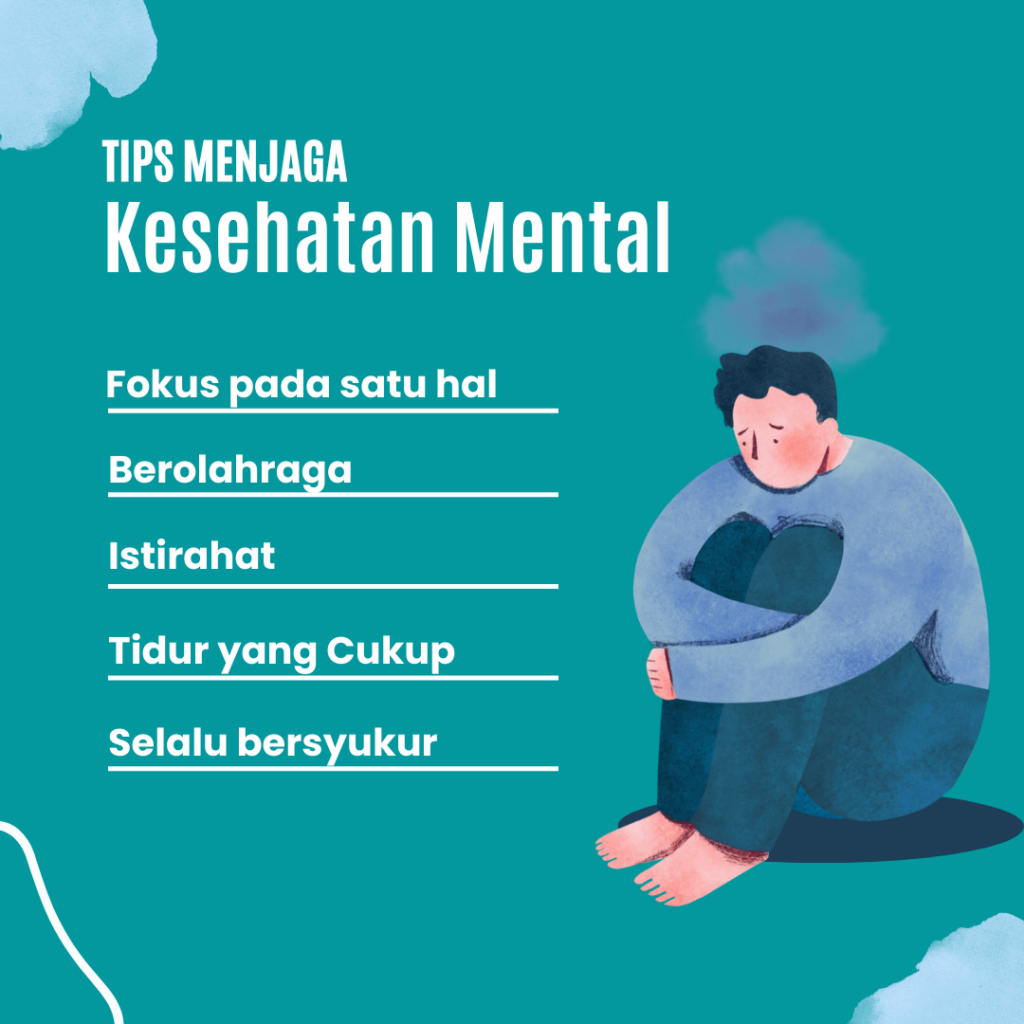
Lima tips yang kita bahas hari ini adalah fondasi kesehatan mental yang sustainable:
- Fokus pada Satu Hal → Atasi overwhelm, build deep work capacity
- Berolahraga → Natural antidepressant, physical and mental strength
- Istirahat → Recovery untuk sustainable performance
- Tidur yang Cukup → The ultimate mental health tool
- Selalu Bersyukur → Rewire brain untuk resilience and happiness
Realita Check:
- Anda tidak harus perfect di semua area sekaligus
- Progress > Perfection
- Bad days will happen—that’s okay
- Seek professional help jika needed—it’s strength, not weakness
Pesan Penutup: You Are Worth Taking Care Of
Mental health bukan sesuatu yang “diperbaiki sekali dan selesai.” Ini adalah praktik seumur hidup—daily habits yang compounded over time menciptakan resilience, happiness, dan fulfillment.
Anda layak untuk:
- Tidur cukup tanpa guilt
- Istirahat tanpa harus sakit dulu
- Minta bantuan saat overwhelmed
- Prioritize diri sendiri tanpa dianggap egois
- Feel all emotions tanpa judgment
Your mental health matters. You matter.